Skip to content

Hair thinning can become more noticeable over time, but early treatment may help preserve and strengthen existing hair. PRP hair restoration offers a non-surgical approach that uses your body’s own platelet-rich plasma to support healthier, thicker-looking hair in appropriate candidates. If you’re wondering whether it can really help with hair loss, understanding how the treatment works and who benefits most can help you decide if it’s the right option.
How many PRP sessions are usually recommended?
Most patients benefit from a series of treatments followed by maintenance sessions based on their provider’s recommendations.
How Does PRP Hair Restoration Work?
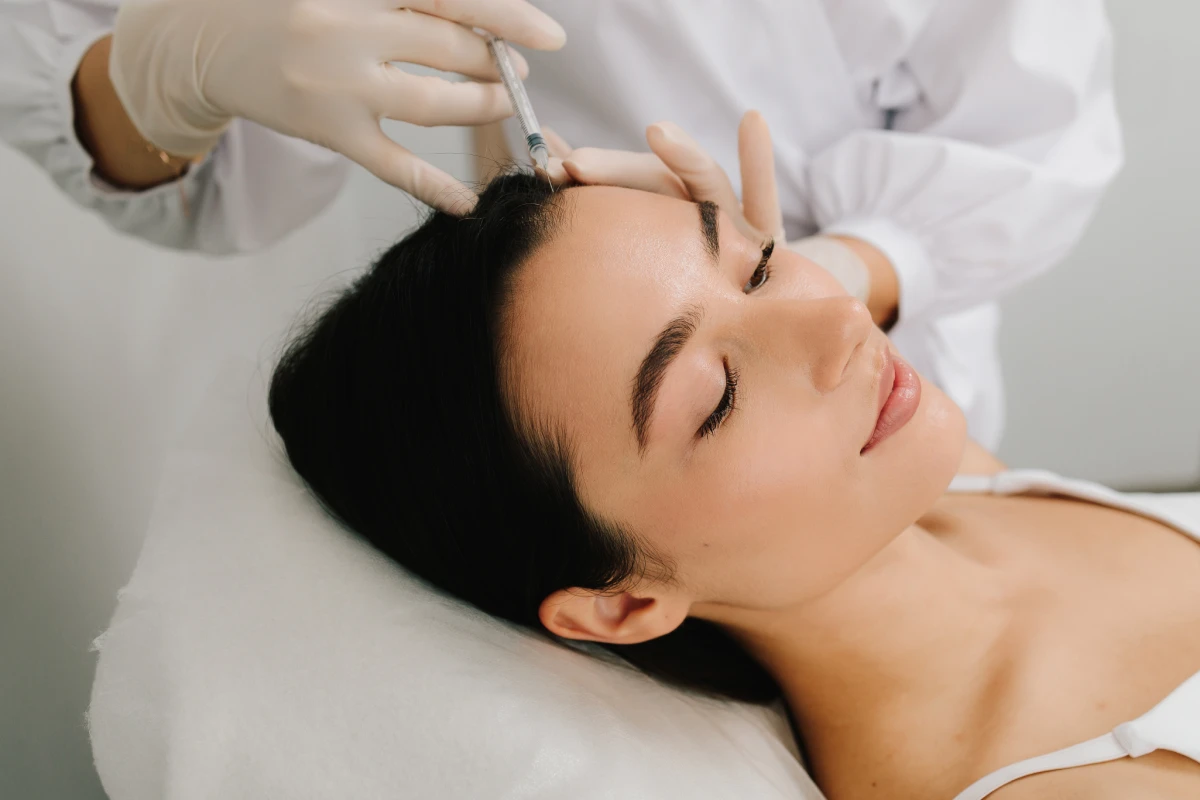
Platelet-rich plasma hair treatment works with a simple blood draw. The blood is processed in a centrifuge to separate and concentrate platelets. These contain proteins and growth factors involved in the body’s natural repair process. The platelet-rich plasma is then injected into targeted areas of the scalp where hair thinning has occurred.
The purpose of the treatment is not to create new hair follicles. Instead, it aims to encourage existing follicles to function more efficiently. Hair follicles affected by early or moderate thinning may produce finer, weaker strands over time. By improving the environment surrounding those follicles, PRP for hair loss may support stronger, thicker hair growth during future growth cycles.
Why PRP for Hair Loss Works Best for Certain Types of Hair Loss
Not all hair loss develops for the same reason. Genetics, hormonal changes, aging, stress, nutritional deficiencies, and certain medical conditions can all contribute to thinning hair. Because of this, the success of hair regrowth treatment depends largely on identifying the underlying cause.
Patients with androgenetic alopecia, commonly known as male or female pattern hair loss, often respond well because many follicles remain alive despite producing thinner hairs. In such situations, PRP hair restoration may help improve hair quality before the follicles become permanently inactive.
On the other hand, areas where follicles have been destroyed by significant scarring or long-standing baldness may not respond as well because there are fewer functioning follicles available to stimulate.
A thorough evaluation helps determine if the treatment aligns with your specific pattern of hair loss and long-term goals.
Signs You May Be a Good Candidate
Every patient requires an individualized assessment, but PRP hair restoration is commonly considered for people who:
- Have mild to moderate hair thinning instead of complete baldness
- Notice increased hair shedding or reduced hair density
- Want a non-surgical approach before considering hair transplantation
- Have realistic expectations about gradual improvement
- Are committed to completing the recommended treatment schedule and maintenance visits
Early intervention often provides more opportunities to support existing follicles before hair loss progresses further.
What Results Can You Realistically Expect?
One of the biggest misconceptions about platelet-rich plasma hair treatment is that dramatic regrowth happens quickly. Hair simply does not grow that way.
Instead, many patients first notice less daily shedding. As follicles complete new growth cycles, existing hairs may become thicker, healthier, and stronger. Improved density often develops gradually over several months.
Results also differ from person to person because hair growth is influenced by multiple factors, including:
- The cause of hair loss
- The health of existing follicles
- Age
- Hormonal balance
- Overall health
- Consistency with recommended treatments
The goal is often to improve the quality and longevity of existing hair rather than completely restore areas with advanced baldness.
6 Reasons Patients Choose PRP Hair Restoration
1. It uses your body’s own platelets.
The treatment relies on concentrated platelets obtained from your own blood rather than systemic materials.
2. It is a non-surgical option.
Patients seeking hair restoration without surgery often appreciate that treatment involves injections rather than incisions.
3. It requires little downtime.
Most patients return to normal daily activities shortly after treatment, making it easier to fit into busy schedules.
4. It may improve hair quality.
Beyond encouraging thicker strands, some patients notice healthier-looking hair with improved texture and fullness.
5. It can complement other hair restoration strategies.
Providers may recommend combining PRP for hair loss with other therapies when appropriate to support overall treatment goals.
6. It focuses on preserving existing hair.
For many patients, slowing continued thinning and maintaining healthy follicles is just as valuable as encouraging new growth.
How Long Do Results Last?
Hair restoration is rarely a one-time process since natural aging and the underlying causes of hair loss continue over time.
Several providers recommend an initial series of treatments followed by maintenance sessions based on the patient’s progress. With appropriate follow-up care, many individuals continue enjoying improvements for an extended period.
Maintaining healthy lifestyle habits, addressing medical concerns that contribute to hair loss, and following your provider’s recommendations all play a role in preserving results.
Is PRP Hair Restoration Worth Considering?
Hair loss can affect confidence, but treatment options have expanded significantly beyond medications and surgery. PRP hair restoration offers a non-surgical approach that could aid in encouraging healthier hair growth for patients with active but weakened hair follicles.
The treatment is not intended to replace hair that has been permanently lost, nor does it produce identical results for everyone. Instead, it works by encouraging existing follicles to perform more effectively, making it a practical option for many people in the earlier stages of hair thinning. A consultation with an experienced provider is the best way to determine if PRP hair restoration in Georgia aligns with your needs and hair restoration goals.
Why Choose Vitality Med Spa and Plastic Surgery Center for PRP Hair Restoration in Georgia?
If you are considering PRP hair restoration in Georgia, choosing an experienced provider is just as important as selecting the treatment itself.
At Vitality Med Spa and Plastic Surgery Center in Suwanee, patients receive personalized hair restoration solutions designed around their specific needs. Our team offers PRP hair restoration using platelet-rich plasma injections to help stimulate weakened hair follicles and encourage healthier hair growth for both men and women experiencing thinning hair.
For patients who may benefit from combination therapy, microneedling is also available. This minimally invasive treatment creates controlled micro-injuries in the scalp, which may support collagen production and complement platelet-rich plasma therapy as part of a comprehensive approach to hair restoration.
Schedule a consultation today to learn how PRP hair restoration can support natural hair growth and create a personalized treatment plan for your needs.
Frequently Asked Questions
Can women benefit from PRP hair restoration?
Yes, PRP Hair Restoration may help both men and women experiencing certain types of hair thinning.
Is PRP hair restoration painful?
Most patients describe the injections as tolerable, and providers often use techniques to improve comfort during treatment.
Can microneedling be combined with PRP for hair loss?
Yes, microneedling may be combined with PRP for hair loss when your provider determines it is appropriate for your treatment plan.