Skip to content


Feeling tired all the time, bouncing back slowly after a workout, or just not feeling like yourself can stem from a number of things. Low levels of key nutrients, poor sleep, an underlying health issue, or daily habits can all play a part. Pinning down what’s behind it usually comes first, since that shapes which kind of care will actually help.
Peptide and vitamin therapy offers a medical wellness approach that uses selected compounds to address specific physiological functions or nutritional needs. Depending on the treatment, these substances may influence cellular signaling, nutrient availability, or other biological processes.
Understanding how these therapies differ, what they may offer, and their potential limitations can help patients make informed decisions before beginning treatment.
Understanding How Peptide and Vitamin Therapy Works
Peptides and vitamins often get lumped together, but they do very different jobs in the body.
Peptides are short chains of amino acids that help cells send signals to one another. Some bind to receptors involved in hormone activity, metabolism, and other bodily processes. What a given peptide does depends on its specific structure and how it works once it reaches its target.
Vitamins, on the other hand, are nutrients your body needs to keep its everyday functions running. Vitamin B12, for example, helps you make red blood cells and keeps your nerves healthy, and vitamin D helps your body manage calcium and maintain strong bones.
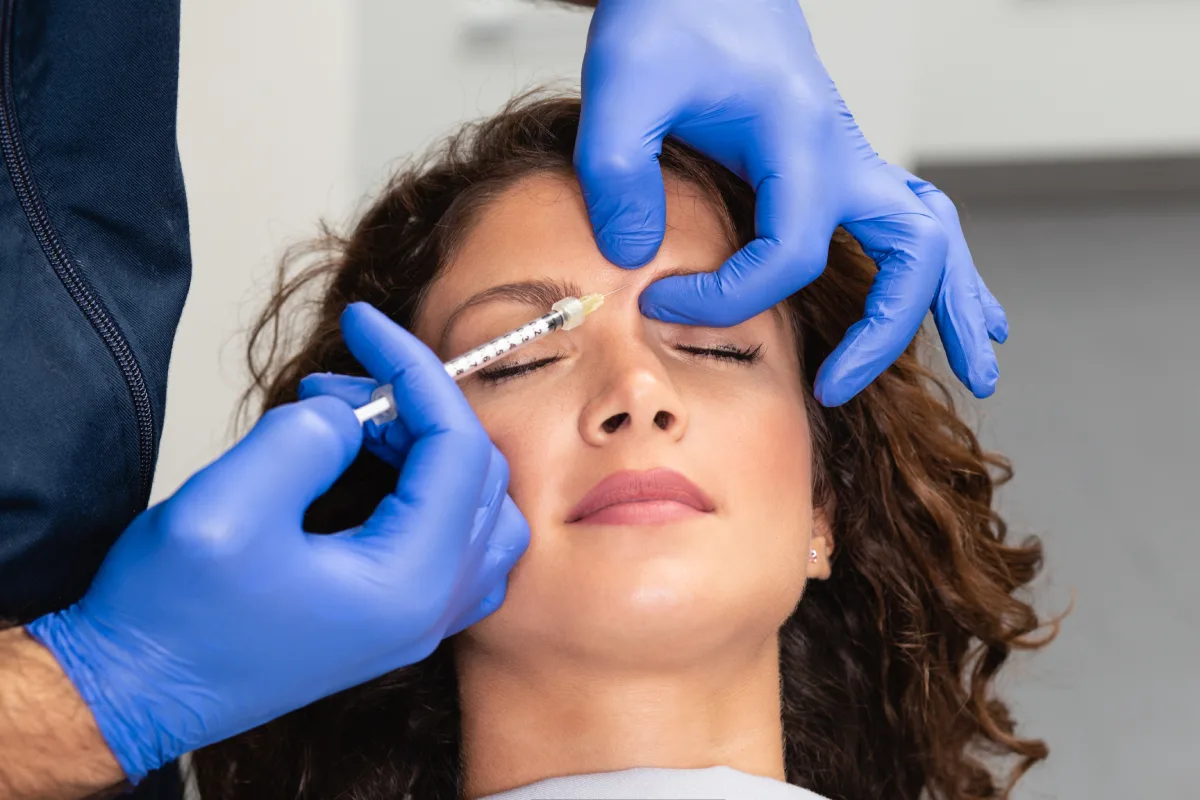
Vitamin injection therapy delivers specific nutrients through injections rather than oral supplementation. This approach may be appropriate for certain deficiencies, absorption problems, or clinical circumstances.
However, injections are not automatically more beneficial than oral supplements for everyone. Treatment selection should account for nutritional status, medical history, and the strength of available clinical evidence.
What Can You Expect From Peptide and Vitamin Therapy?
Peptide and vitamin therapy involves using specific peptides and nutrients to address individual health needs, such as nutritional deficiencies or certain physiological functions. Treatment typically begins with a medical consultation to assess health concerns and determine suitable options.
Exploring Different Peptide and Vitamin Treatment Options
Not every treatment addresses the same concern. Some focus on correcting nutritional deficiencies, while others are being investigated for specific biological effects.
Common options include:
1. Vitamin B12: Plays a role in nerve health and in making red blood cells. For patients with a confirmed deficiency, injections can be a good option, especially when the body has trouble absorbing B12 from food or supplements.
2. Vitamin D: Contributes to bone strength, calcium absorption, and normal immune function. Supplementation may be considered when testing identifies insufficient levels.
3. Biotin: Participates in the metabolism of fats, carbohydrates, and proteins. Although frequently associated with hair and nail health, evidence supporting supplementation without deficiency remains limited.
4. Glutathione: An antioxidant naturally produced by the body that helps regulate oxidative processes. Research into the broader wellness benefits of injected glutathione remains limited.
5. Sermorelin: A peptide that stimulates growth hormone release. Its use for general wellness, muscle development, or age-related concerns requires careful evaluation because supporting clinical evidence is limited.
6. PT-141: Also known as bremelanotide, this peptide acts on melanocortin receptors. An FDA-approved formulation has a specific indication for certain premenopausal women with acquired, generalized hypoactive sexual desire disorder.
7. NAD+: A coenzyme involved in cellular energy metabolism. Injectable NAD+ is promoted for wellness purposes, although strong clinical evidence supporting broad energy or cognitive benefits remains insufficient.
Each option has different indications, precautions, and expected outcomes. Some medications have established medical uses, while other injectable compounds remain investigational.
Potential Peptide Therapy Benefits for Wellness
Interest in Peptide therapy benefits often centers on physical recovery, metabolic function, and hormonal activity. However, these outcomes cannot be attributed to peptides as a single treatment category.
Certain prescription peptide-based medications have demonstrated benefits for specific diagnosed conditions. Other compounds promoted for general wellness lack comparable human clinical evidence.
For example, interest in peptide therapy for recovery includes substances being studied for tissue repair and responses to physical injury. BPC-157 is frequently mentioned in this context, but adequate human evidence supporting its safety and effectiveness remains unavailable.
Vitamin treatments may provide clearer benefits when addressing documented deficiencies. Correcting vitamin B12 deficiency, for instance, can help improve associated anemia or neurological symptoms.
The expected benefit should therefore be connected to the specific substance, medical indication, and patient’s health status rather than generalized wellness promises.
What to Expect Before, During, and After Treatment
The process typically begins with a consultation covering symptoms, medical conditions, medications, supplements, and treatment goals. Laboratory testing may be recommended when nutritional deficiencies or other underlying concerns are suspected.
If treatment is appropriate, the provider explains the selected formulation, dosage, administration method, and possible adverse effects.
Peptide and vitamin injections may be administered beneath the skin or into a muscle, depending on the medication or nutrient. Some treatments require different delivery methods or schedules.
Following an injection, temporary tenderness, redness, or bruising may occur. Other reactions depend on the substance administered.
Response times also vary. Correcting a deficiency may require remains appropriate, especially when laboratory monitoring or dosage adjustments are necessary.
Safety Considerations Before Starting Therapy
Medical supervision is important because injectable treatments carry risks beyond ordinary supplementation.
Potential concerns include allergic reactions, medication interactions, inappropriate dosing, and complications involving injection technique. Certain peptides may also influence hormonal activity or blood glucose regulation.
Patients should disclose pregnancy, breastfeeding, chronic illnesses, and current prescriptions before treatment.
Another important consideration is regulatory status. Not all peptides marketed for wellness have FDA approval, and some compounded preparations have raised safety concerns involving limited clinical data and product quality.
Discussing these factors allows patients to weigh potential benefits against uncertainties.
Vitality MedSpa and Plastic Surgery Center: Peptide and Vitamin Therapy in Suwanee GA
At Vitality Med Spa and Plastic Surgery Center, we offer Peptide and vitamin therapy in Suwanee, GA for patients interested in exploring medical wellness treatments.
Our available services include B12, vitamin D, biotin, glutathione, NAD+, sermorelin, PT-141, and other treatment options. We recognize that each therapy serves a different purpose and that suitability depends on individual health considerations.
Our team encourages patients to discuss their symptoms, medical history, and expectations before selecting a treatment. The goal is to help them understand their options, including potential limitations and precautions.
Ready to Support Your Energy, Recovery, and Overall Wellness? Book a Peptide and Vitamin Therapy Consultation Today.
Frequently Asked Questions –
Can Peptide Therapy and Vitamin Therapy Replace Daily Supplements?
Injected nutrients may be appropriate for certain medical needs, but they do not routinely replace a balanced diet or necessary oral supplementation.
Are Blood Tests Necessary Before Treatment?
Blood tests may be recommended when symptoms suggest nutritional deficiencies, hormonal abnormalities, or other underlying medical concerns.
Can Peptide and Vitamin Treatments Be Combined?
Some treatments may be combined when clinically appropriate, depending on their potential interactions and individual safety considerations.